UX/UI Design | Research
Interaction Design
BACKGROUND
EverBright is a solar software and financing company. When a homeowner signs a contract, an internal team is responsible for reviewing tasks and documents associated with completing a solar installation.

PROBLEM

Manual spreadsheet tracking within internal deal processing teams is increasing processing timelines to over 3x the industry average, delaying revenue recognition and impacting customer experience.

DURATION
4 Weeks
TEAM
Product Manager + 4 Engineers
GOALS

- Reduce the amount of time it takes a deal processor to review a job in the queue.
- Bring comments for each job into a single thread.
- Help managers on the team easily change settings for each person on their team.

Research

LETS LEARN MORE
INTERNAL RESEARCH
The PM started user research before I began the project but I hosted several interviews with the manager of the Deal Processing Team to ensure I understood the key pain points.

3.

Managing a team's preferences and settings is time consuming
They must take into account their position (primary reviewer vs secondary vs manager), scheduled PTO, and how long they have been with the company.

1.

Using multiple manual tools and spreadsheets to track jobs
A spreadsheet was used with over 4000 jobs being tracked at a time. They utilized this spreadsheet for adding comments, marking job status, and assigning jobs to team members. In addition to the spreadsheet, they manually updated tasks in our software and utilized email for communication.

2.

Comments are left in multiple places
Comments are a necessary part of their communication process. They are currently leaving duplicative comments in the spreadsheet and in the platform to be sent to our partners. There is not a singular place to review comments across a job.
COMPETITIVE ANALYSIS
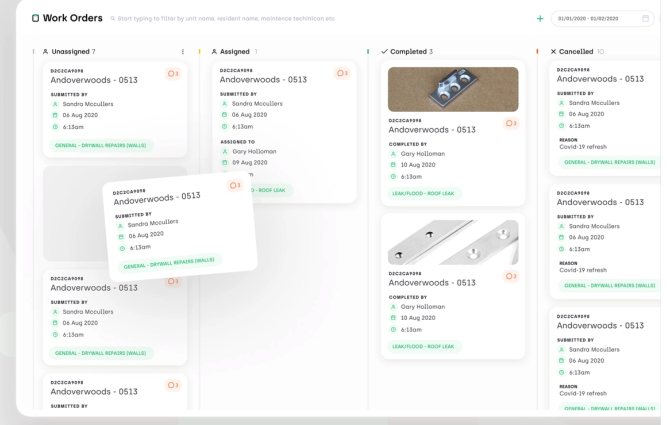
Competitive and pattern analysis helped me identify how other tools were designed to assign tasks. I used tools like Jira, Asana, and Trello for inspiration.

Common patterns consisted of:

Design & Test

LETS MAKE
IT USABLE
TASK TRACKER
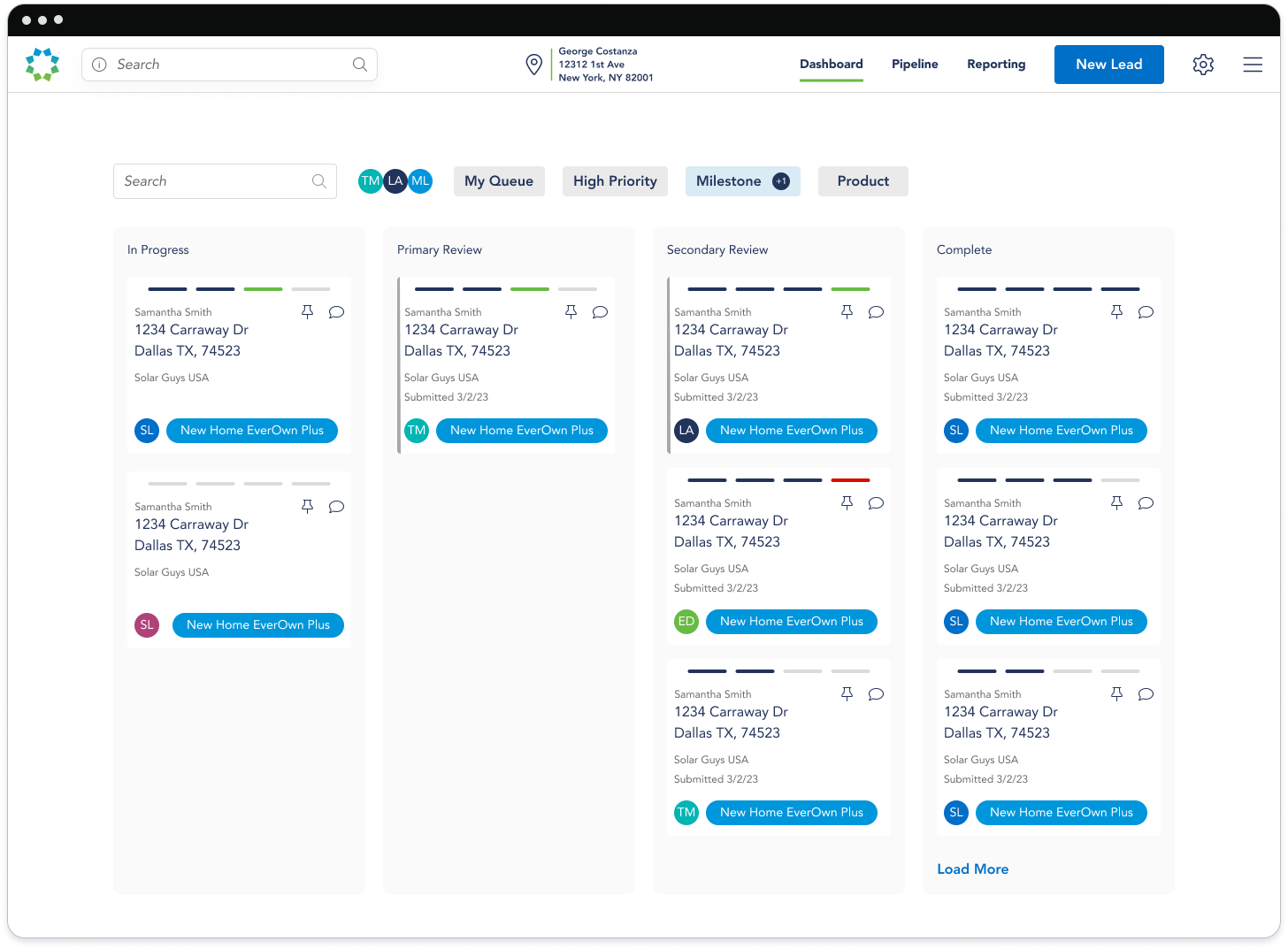
For the task tracker and comment feed, I was able to dive straight in with high-fi mocks. We used them for testing with internal users and identifying any technical constraints with our developers.

The internal testers were thrilled by the improvement of the experience. They flew through usability tests and identified a few key missing data points we could add to refine the experience.

The designs you see below were refined post-testing, and represent the MVP built by developers on our team at EverBright.
COMMENT FEED MODAL
Giving users access to view a single thread of comments from an individual job would reduce clicks and streamline communication. This also defined a new UI pattern that can be reused for future iterations of comment feeds in other areas of the product. For MVP, we opted for a view only comment feed.
ASSIGNMENT SERVICE
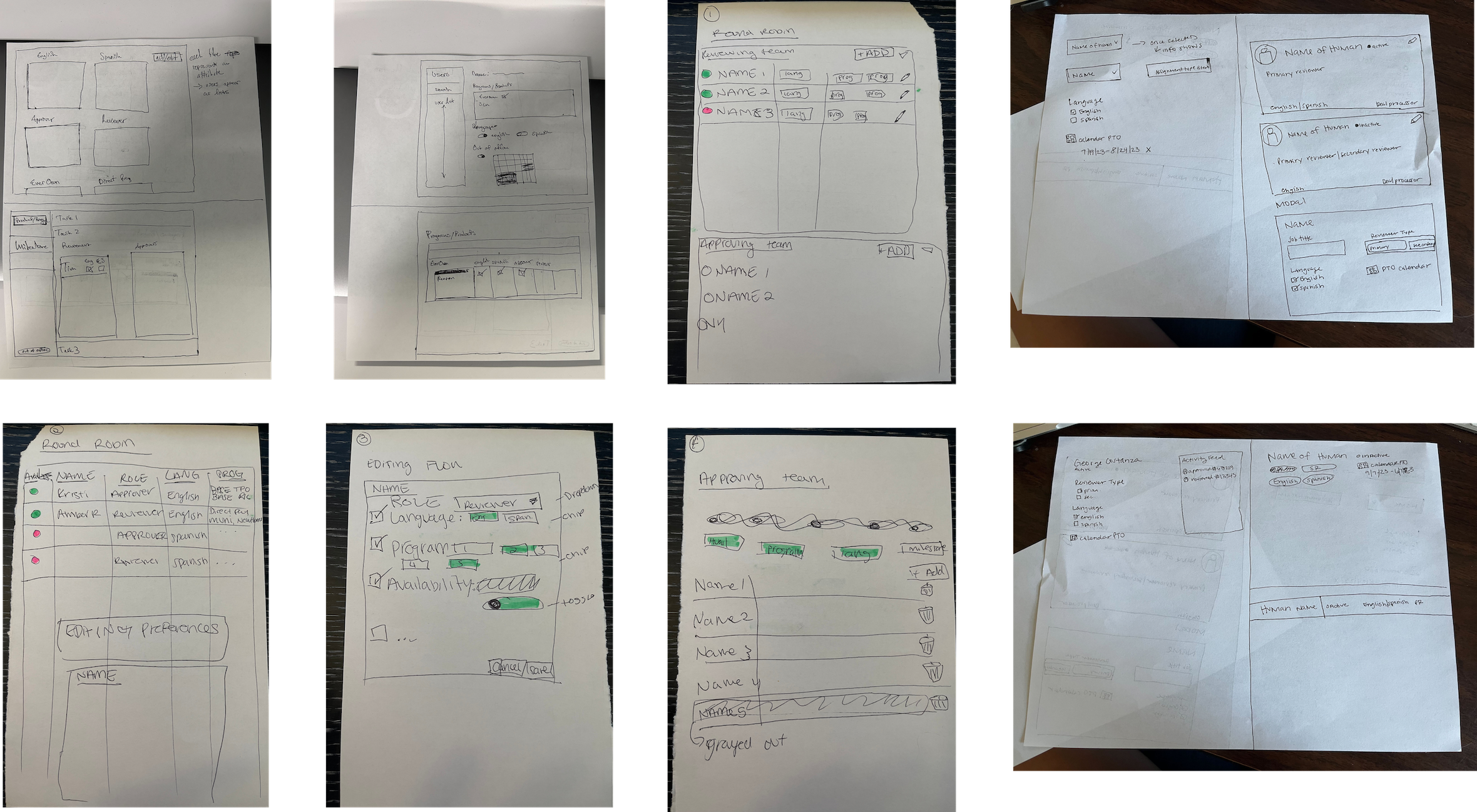
In addition to the task tracker, we needed to help our deal processing managers coordinate the flow of jobs and assign them to people on the team. I facilitated an ideation workshop (crazy fours) with the PM, engineers, and director of product.
(These are meant to be messy!)

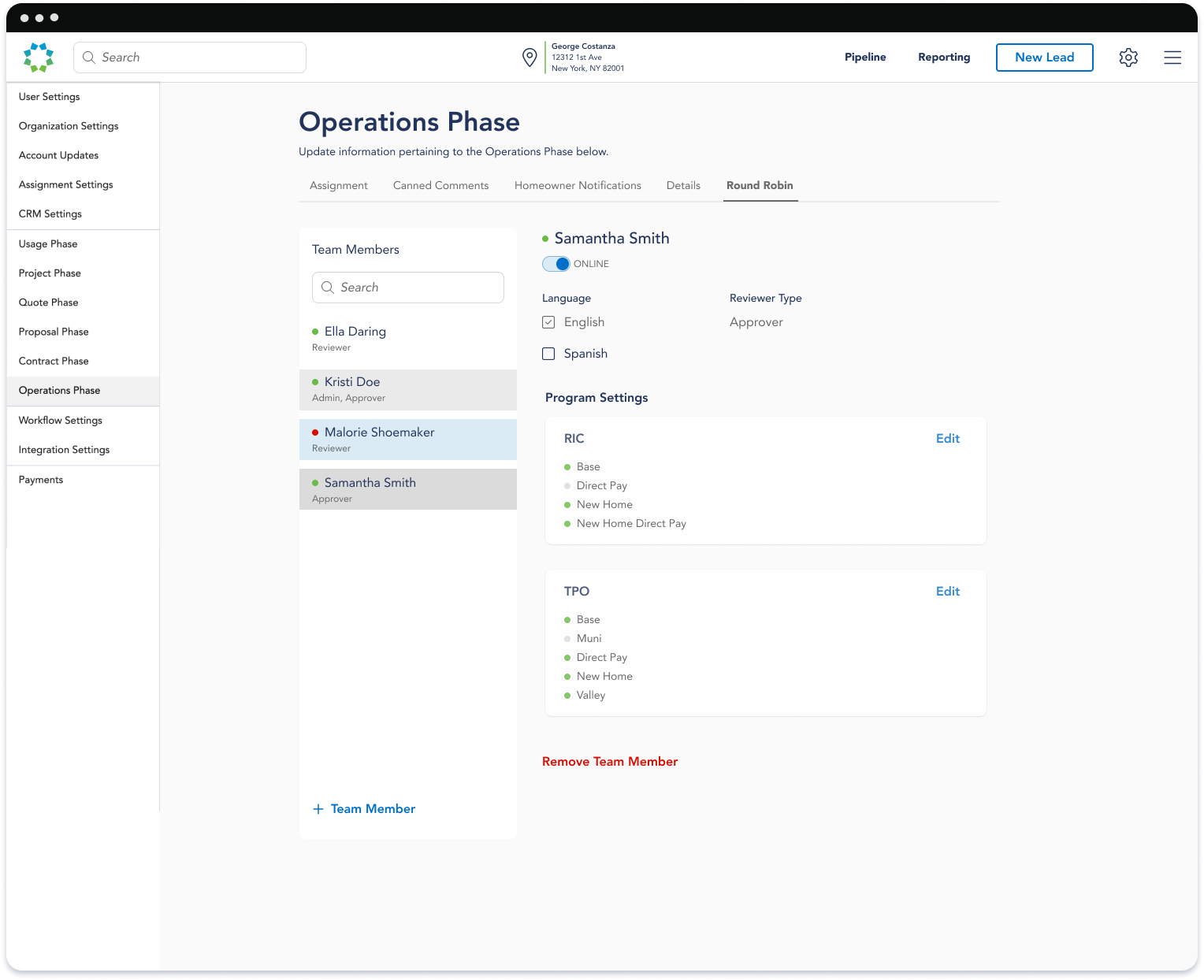
Ultimately, I decided on a similar pattern to our current UI in settings with a few newly defined elements. Our legacy code is in Angular but the team is slowly moving to React. Everything for this project was built in React to ensure the content followed our design recommendations.
We wanted it to be easy to change a person's availability, preferred language and products they were trained on for MVP.

Conclusion

SO WHAT?
RESULTS
We were able to reduce the time it took for a deal processor to review a job from 3.2 to .95 days, a 70% decrease in time.
NEXT STEPS
In phase two of this project, the logic for assigning jobs will be optimized with filters and additional settings to continue improving contracted SLA (service level agreement) times. Additionally, we will design a reporting dashboard for managers to track workload and performance of individuals.
CONCLUSION
The problem felt well defined and documented because the tool was internal facing. This made the design process much smoother than a typical external facing design project. It was an excellent opportunity to run quick design sprints, inclusive of internal validation and testing.
Go to Inlet Community Case Study→